Is an Atlantic Avenue home your next great vacation rental, or just a pretty place by the water? If you are weighing the investment, you want clear numbers, not guesswork. In this guide, you will learn exactly how to model income, account for Marblehead’s local taxes and rules, and estimate returns with two sample scenarios. Let’s dive in.
Why Atlantic Avenue can perform
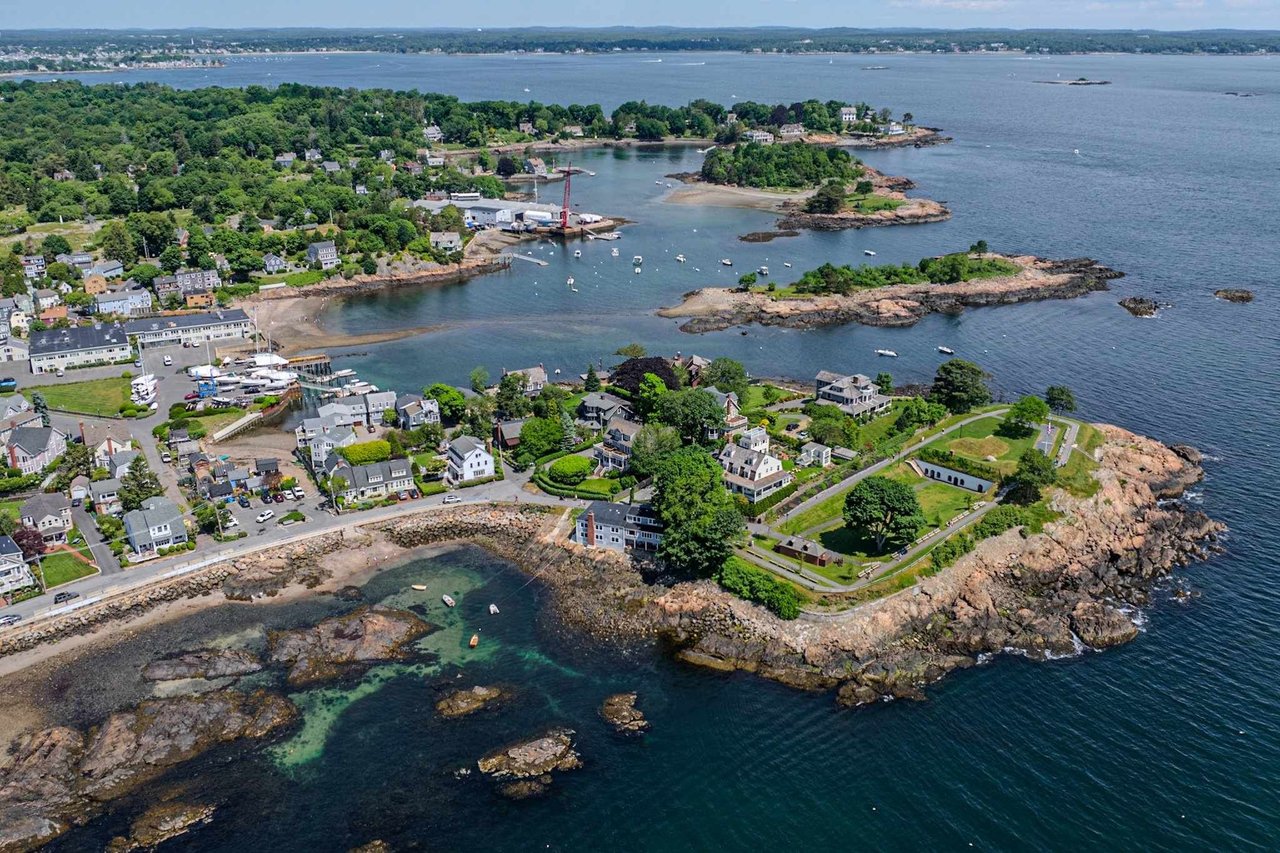
Atlantic Avenue sits along Marblehead’s storied coastline, close to harbor access, beaches, and Seaside Park. Summer brings peak visitor demand, with shoulder-season lifts from sailing and harbor events. That seasonality shapes pricing and occupancy. You can expect stronger spring through early fall performance and lighter winters based on Marblehead’s coastal draw and event calendar (Marblehead overview).
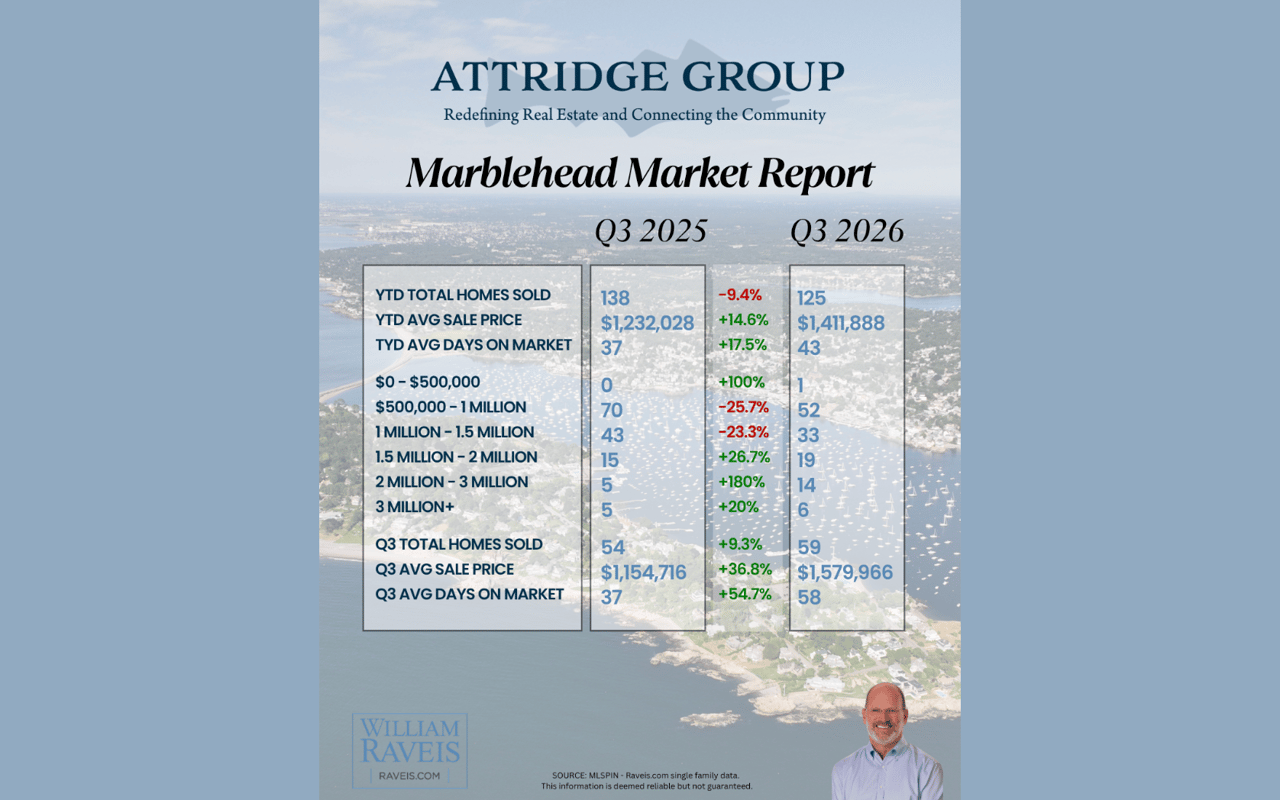
Short-term rentals have also grown quickly in town, which influences rates and availability. Local reporting citing AirDNA shows active listings rose from about 100 in 2021 to roughly 231 in 2024, with average annual revenue near $56,800 per unit (Marblehead Current market snapshot).
Know the rules and costs first
Registration and room taxes
Massachusetts requires short-term rental registration with the Department of Revenue and collection of the room occupancy excise. The state tax is 5.7%. Marblehead has adopted a 6% local rooms tax, for a combined 11.7% that applies to the total amount you charge guests, including cleaning and similar fees (state room occupancy guidance). As of recent local reporting, Marblehead had not added the optional 3% community impact fee and is still studying regulatory options (town review of STR rules).
Insurance requirement
State law requires at least $1,000,000 in liability insurance for each short-term rental unless equal or greater coverage is provided by your hosting platform. You must notify your insurer before hosting (short‑term rental insurance requirement).
Property taxes and assessments
Use the Marblehead FY2025 residential rate of $9.05 per $1,000 of assessed value to estimate the annual property tax line in your model. For example, a $1,000,000 assessed value equates to about $9,050 per year (FY2025 tax rate).
Zoning, historic, flood, and parking factors
- Historic district and condo rules can limit exterior changes or rental terms. Check applicable bylaws for an Atlantic Avenue address (Marblehead Historic District background).
- Atlantic Avenue’s coastal exposure means potential FEMA flood zones. Flood status affects insurance and lender requirements. Review flood maps and get quotes for accurate costs (see guidance that points to FEMA resources: local flood map info).
- Towns across the North Shore are discussing noise, parking, and certification for STRs. Watch for updates that could add operating steps or fees (town review of STR rules).
Build your ROI model
Use this simple framework to estimate returns. Replace placeholders with actual quotes for your Atlantic Avenue property.
- Gross rental revenue (annual) = ADR × 365 × occupancy rate
- Rooms excise tax = Gross revenue × 11.7% (state 5.7% + Marblehead 6%)
- Operating expenses (annual) =
- Management fee percent × Gross revenue
- Plus cleaning cost per booking × bookings per year
- Plus utilities + internet + insurance + property tax + maintenance/reserves + HOA/other
- Net Operating Income (NOI) = Gross revenue − (rooms excise + operating expenses)
- Cap rate (unlevered) = NOI ÷ Purchase price
- Levered cash flow = NOI − Annual debt service
- Cash‑on‑cash return = Levered cash flow ÷ Cash invested
Benchmark notes to sanity‑check your inputs:
- Property management often ranges from about 15% to 30% of gross revenue, depending on service level (management fee benchmarks).
- Cleaning costs vary by size and standard. Model as a per‑turnover cost times expected bookings. Remember cleaning charges are generally part of the taxable total consideration under Massachusetts rules (state room occupancy guidance).
- Utilities, insurance, and reserves depend on home size and coastal exposure. Get quotes, especially for flood and liability coverage.
Sample ROI scenarios for Atlantic Avenue
These examples use conservative, research‑based assumptions to show the math. Plug in your actual ADR, occupancy, assessed value, and vendor quotes.
Scenario A: Market median profile
Assumptions:
- Gross revenue about $56,940 per year, consistent with local reporting that cites AirDNA’s Marblehead average (ADR $300 at 52% occupancy).
- Rooms excise 11.7%.
- Management fee 20% of gross.
- Cleaning $120 per booking; average stay 3 nights; about 63 bookings per year.
- Assessed value $1,000,000 at $9.05 per $1,000 tax rate.
- Insurance, utilities, and maintenance combined $10,000.
Results (rounded):
- Rooms excise: $6,660
- Management: $11,388
- Cleaning: $7,560
- Property tax: $9,050
- Insurance/utilities/maintenance: $10,000
- Total operating and tax: $44,658
- Gross revenue: $56,940
- NOI: $12,282
- Cap rate: about 1.23% on a $1,000,000 purchase price
Takeaway: At median revenue, NOI is modest once you include taxes, management, cleaning, and property tax. Improving ADR or occupancy, or purchasing at a lower price, has an outsized impact on returns.
Scenario B: Optimistic short‑season premium
Assumptions:
- ADR $450 with 55% occupancy for a premium listing.
- Gross revenue about $90,338.
- Rooms excise 11.7%.
- Management 20%.
- Cleaning $180 per booking; average stay 4 nights; about 50 bookings per year.
- Assessed value $1,500,000 at the FY2025 rate.
- Insurance, utilities, and maintenance $15,000.
Results (rounded):
- Total operating and tax: about $66,213
- NOI: about $24,125
- Cap rate: about 1.61% on a $1,500,000 purchase price
Takeaway: A higher ADR helps, but operating loads remain meaningful. Verify that your Atlantic Avenue home can truly command premium pricing across the key weeks of summer and early fall.
What moves your ROI
- Pricing and calendar strategy. Smart seasonal pricing, strong photography, and minimum‑stay rules can lift ADR and occupancy in peak months.
- Reviews and guest experience. Faster response times, quality linens, and clear house manuals reduce churn and increase repeat demand.
- Operating model. Full‑service management is easier but costs more. Self‑managing cuts fees but adds time and systems.
- Cleaning and turnover cadence. Fewer, longer stays reduce cleaning cost per revenue dollar.
- Fixed costs. Property taxes, insurance, and utilities set your floor. Flood insurance and coastal premiums can materially affect returns.
Step-by-step checklist for Atlantic Avenue
- Confirm legal basics: get your Mass DOR registration and understand the 11.7% rooms excise on total guest charges (state guidance).
- Price the fixed costs: use the FY2025 $9.05 per $1,000 rate and your exact assessed value to model property tax (Marblehead tax rate).
- Get insurance quotes: standard homeowners, $1M liability, and flood if required (insurance requirement).
- Gather operating quotes: management fee options, cleaning per turnover, lawn and snow, internet, and supplies.
- Validate revenue: compare ADR and calendars for nearby Atlantic Avenue listings and seasonal demand drivers (Marblehead overview).
- Check constraints: any condo bylaws, historic rules, parking limits, or flood‑zone requirements that affect availability or cost (historic district background; flood map info).
- Run three cases: conservative, base, and optimistic. Compute NOI, cap rate, and cash‑on‑cash.
- Monitor policy updates: Marblehead is reviewing STR regulation, so track any new registration or fee changes (town review).
Local guidance when you are ready
If you want a clean, local‑first pro forma for a specific Atlantic Avenue property, we are here to help. Our team knows the street, the seasons, and the buyer pool. Get a tailored ROI review, including assessed value checks, comparable revenue ranges, and vendor introductions, so you can invest with confidence. Connect with Jack Attridge to start.
FAQs
How do I calculate vacation rental NOI on Atlantic Avenue?
- Subtract rooms excise and operating expenses from gross revenue: NOI = Gross revenue − (11.7% rooms tax + management + cleaning + utilities + insurance + property tax + reserves + HOA/other).
What taxes apply to a Marblehead short‑term rental?
- Massachusetts imposes 5.7% and Marblehead adds 6% for a combined 11.7% rooms excise on total guest charges, plus you will owe income tax on net rental income per your tax situation.
Do cleaning fees count toward the rooms tax in Massachusetts?
- Yes, many optional charges such as cleaning are treated as part of the total consideration paid by the guest and are subject to the room occupancy excise under state guidance.
What insurance do I need to host in Massachusetts?
- State law requires at least $1,000,000 in liability coverage for each short‑term rental unless your platform provides equal or greater protection, and you must notify your insurer before hosting.
What is a typical management fee for a vacation rental?
- Full‑service short‑term rental managers commonly charge about 15% to 30% of gross revenue, with lighter packages sometimes lower and premium offerings higher.