Thinking about selling your Atlantic Avenue waterfront home? You already know buyers love Marblehead’s views and harbor access, but they also ask smart questions about permits, flood risk, and shoreline structures. With a little planning, you can answer confidently, reduce surprises, and present your home at its very best. This guide walks you through the key steps, documents, and updates that help you sell smoothly and for top value. Let’s dive in.
Know your Atlantic Avenue edge
Atlantic Avenue homes attract premium interest for water views, access, and limited supply. Serious buyers look for clear information on seawalls, docks, moorings, and parking. They also weigh flood zones and insurance. Your goal is to showcase the lifestyle while removing friction with complete, accurate documentation.
- Verify any mooring, float, or dock details with the Harbormaster and gather proof for buyers. Mooring permits are regulated, nontransferable in most cases, and wait times can be long. Review the town’s rules in the Manual for Marblehead Waters.
Handle permits and disclosures early
Shoreline and wetlands permits
Much of Atlantic Avenue falls within areas regulated by Marblehead’s Wetlands Protection By-Law. If past or planned work affects the shoreline or coastal resources, assemble Conservation Commission permits and decisions before you list. The Commission issues permits and follows clear timelines outlined in the Wetlands Protection By-Law.
State requirements to confirm
- Septic or sewer: If your home uses a private septic system, Massachusetts Title 5 requires an inspection for a property sale. Confirm your system type and gather recent reports from Title 5 guidance.
- Lead paint: For homes built before 1978, you must provide the Property Transfer Lead Paint Notification. Buyers have a 10‑day right to inspect. Learn more from the state’s lead paint rules.
- Tidelands work: Any structure or work below the mean high water line may require Chapter 91 authorization. If you have or plan dock or shoreline work, review Chapter 91 definitions and standards.
Flood zones and insurance
If your property sits in a FEMA Special Flood Hazard Area, most lenders will require flood insurance. An Elevation Certificate helps buyers and insurers estimate premiums and can support map clarifications. See FEMA background on flood zones and elevation certificates in this technical overview.
Inspection-ready checklist for waterfront homes
Seawalls, revetments, docks, and floats
Waterfront buyers and inspectors focus on shoreline structures. If you market a seawall or dock as a feature, consider a pre-list inspection by a coastal engineer or qualified marine contractor. For best practices on repair or reconstruction, review Massachusetts CZM’s StormSmart guidance on seawalls and revetments. Confirm dock permits and whether they are included in the sale, and document any mooring status per the Harbormaster manual.
Flooding, drainage, and foundation
Inspect for signs of coastal flooding, wave action, or saltwater exposure. Buyers look for moisture staining, corrosion, sump pumps, and flood openings in crawlspaces. An elevation certificate and clear drainage documentation can reduce uncertainty and help underwriting, as outlined in FEMA’s technical overview.
Systems and salt-air maintenance
Salt air accelerates corrosion on HVAC components, fasteners, railings, and flashings. Gather maintenance records and consider servicing HVAC and dehumidification before showings. Clean chimney caps and check roof flashings to reassure buyers that the home is well cared for.
Utilities and access
Confirm whether you are on municipal sewer or a private septic and include your most recent filings or inspection results. If septic, plan for the required Title 5 inspection using state guidance. Clarify parking, driveway easements, or public access ways that may affect showings and everyday use.
Smart pre-listing improvements
Decide what to repair
Major shoreline projects can be costly and often trigger permitting. In many cases, a documented engineer’s report and targeted maintenance can give buyers confidence. CZM recommends designs that reduce downstream impacts, detailed in its StormSmart seawall guidance. Balance scope and budget with your timeline.
Coastal landscaping and curb appeal
Keep water views open, railings safe, and decking clean. Where allowed, use native coastal plantings to stabilize banks and improve aesthetics. See CZM’s tips for landscaping a coastal bank.
Listing photos and timing
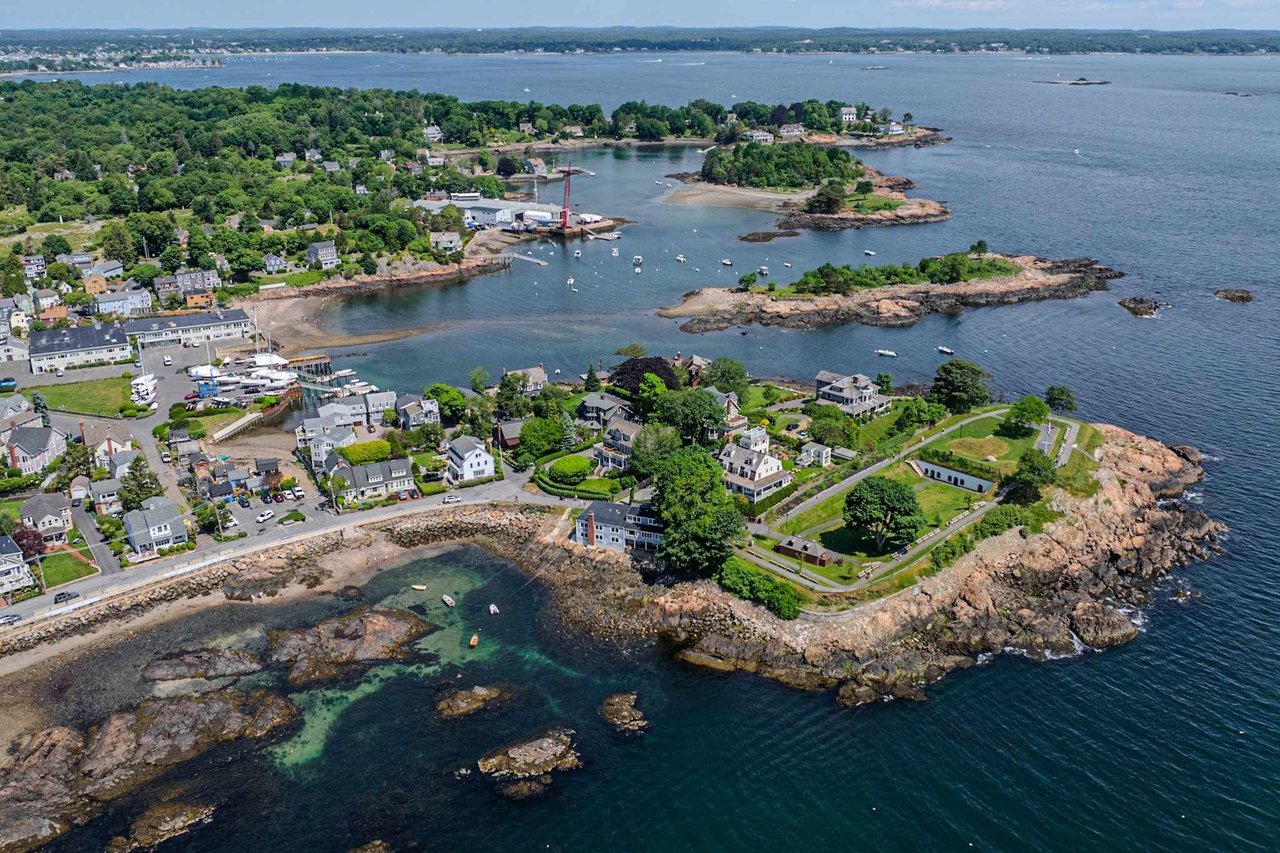
Use tide-aware photography to show both high-tide dock use and low-tide shoreline. Aerials can be powerful when permitted. In your marketing remarks, be precise about what conveys and avoid implying that mooring rights transfer unless documented per the Harbormaster manual.
What to gather for your MLS packet
Pull these items into a clean, buyer-ready file:
- Deed, survey, and any plans marking tidal lines or easements.
- Conservation Commission decisions, Orders of Conditions, and past permits per the Wetlands By-Law.
- Dock, float, and mooring documentation per the Harbormaster manual.
- Septic Title 5 inspection or municipal sewer documentation using Title 5 guidance.
- Lead paint disclosure package if built before 1978 from the state’s lead paint rules.
- Flood zone information and any Elevation Certificate supporting insurance quotes, with FEMA background in this technical overview.
- Recent service records for HVAC, roof, chimney, and any marine engineer reports.
Pricing and positioning on Atlantic Avenue
Work from recent, nearby waterfront and water-view comparables. Buyers will compare sightlines, access, condition of shoreline structures, parking, and bedroom/bath counts. Be clear, complete, and confident in your documentation. That clarity helps justify your price and keeps a deal on track through inspections and underwriting.
Make insurance easier for buyers
Be upfront about the property’s flood zone and provide any Elevation Certificate or prior premium information. Encourage buyers to obtain quotes from the National Flood Insurance Program and private carriers. Sharing accurate data early often shortens underwriting and reduces last-minute stress, consistent with FEMA best practices in this technical overview.
Ready to plan your sale timeline, vendor list, and marketing launch? Connect with Jack Attridge to put a concierge, locally rooted plan in motion.
FAQs
What permits matter when selling a Marblehead waterfront home?
- Gather Conservation Commission decisions, any Chapter 91 approvals for tidelands work, and dock or mooring documents from the Harbormaster.
Do I need a Title 5 inspection in Marblehead?
- If your Atlantic Avenue property uses a private septic system, Massachusetts Title 5 requires an inspection for a sale; sewer-connected homes do not need it.
How do flood zones affect selling on Atlantic Avenue?
- If the home is in a Special Flood Hazard Area, lenders typically require flood insurance; an Elevation Certificate helps buyers estimate premiums.
Can mooring rights transfer with my home?
- Mooring permits are regulated and usually nontransferable; verify specifics with the Marblehead Harbormaster and provide written documentation.
Should I repair my seawall before listing?
- Consider a coastal engineer’s assessment; targeted maintenance and documentation may be enough, but major work can require permits and longer timelines.